Easter Coquette Bow Bunny Ears: How to Choose, Style, and Wear Them Without Common Regrets
Easter coquette bow bunny ears have quietly become a go-to accessory for spring gatherings, photo shoots, and social events. If you have spent any time scrolling through seasonal fashion or planning an Easter brunch outfit, chances are you have seen them paired with pastel dresses, lace tops, or even casual denim. The look borrows from the coquette aesthetic—think bows, ribbons, soft textures, and a playful femininity—and fuses it with the classic silhouette of bunny ears. The result is something between whimsical and polished, but pulling it off well requires more than just grabbing the first pair you see.
Many people end up disappointed because they overlook practical details that make or break the entire look. The bow is too stiff. The ears flop awkwardly. The headband pinches after twenty minutes. The color clashes with everything in their closet. These are not small grievances—they affect how confident you feel wearing the accessory and how others perceive your outfit. Fortunately, almost every one of these problems is avoidable once you know what to look for and how to approach the purchase or creation of your own pair.
Understanding What Easter Coquette Bow Bunny Ears Actually Are
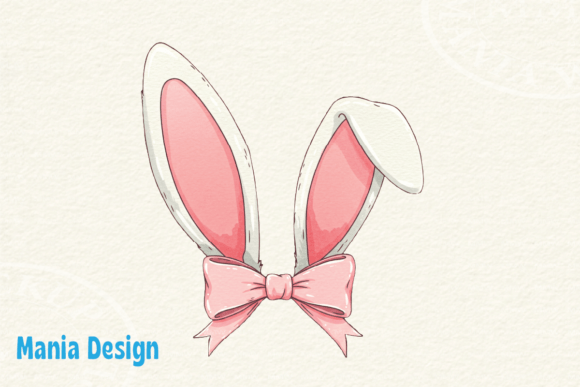
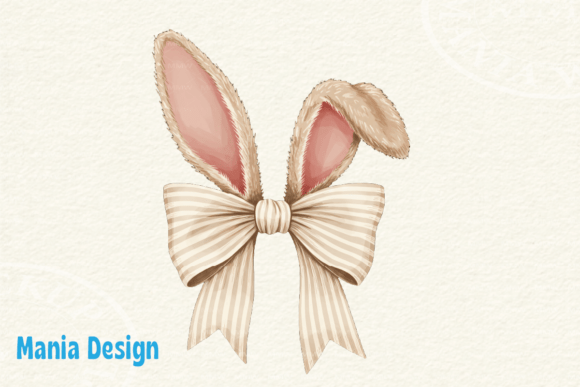
At its core, this accessory combines a headband or clip-in base with bunny ear shapes and a prominent bow. The coquette influence shows up in the fabric choices—satin, velvet, tulle, or lace—and in the oversized or layered bow that sits at the center or off to one side. The ears themselves might be covered in matching fabric or left as wire frames wrapped in ribbon. Some versions use floral accents, pearlescent beads, or subtle embroidery.
The appeal is that the accessory bridges two worlds. It feels festive enough for Easter celebrations but also works for spring-themed bridal showers, garden parties, or even a well-styled Instagram post. The key is balance. When the proportions, colors, and materials align, the accessory looks intentional and elevated. When they do not, it can read as costume-like or unfinished.
The Most Common Mistake: Choosing the Wrong Material for Your Hair Type
One of the biggest oversights happens before the ears even arrive. People focus entirely on the visual design and ignore how the headband or clips will interact with their hair. A thin plastic headband might slide off fine, straight hair within minutes. A heavy velvet-coated band can tug at fine hair and cause discomfort. Wire clips that lack padding can dig into the scalp during a long brunch or outdoor egg hunt.
If you have thick or curly hair, you need a headband with some texture or grip, such as a padded fabric band or one with subtle teeth underneath. If your hair is fine or slippery, look for adjustable bands or those with velvet lining that naturally grips without pinching. For clip-on versions, make sure the clasp has a rubber lining or at least enough surface area to distribute pressure evenly.
Before you buy, check product images carefully for close-ups of the interior of the headband or the back of the clip. If those details are missing, that is often a sign the brand is prioritizing aesthetics over comfort. Read reviews that mention wear time and comfort specifically, not just looks.
Ignoring Proportions: When the Bow Overpowers the Ears (or Vice Versa)
Proportion is where most styling attempts go sideways. A bow that is too large relative to the ears makes the accessory look unbalanced, drawing the eye away from both elements. Conversely, tiny ears paired with a massive bow can look like a bow with accidental ear attachments rather than a deliberate design.
A good rule of thumb is that the bow should not exceed twice the width of each ear, and the ears should be at least as tall as the bow is wide. If you are purchasing a pre-made set, look at the measurements in the listing. If the brand only shows a front-facing photo without dimensions, ask or look for lifestyle shots that show the accessory on a real person from multiple angles.
For DIY or custom pieces, test the proportions by cutting paper templates and holding them up to your head in a mirror. This sounds overly meticulous, but it saves you from finishing a piece that feels off once worn.
Color Matching Pitfalls: Pastel Is Not Always the Answer
Because Easter traditionally leans pastel, many assume that pink, lavender, mint, or baby blue are the only appropriate colors. That works for some outfits, but it can also lead to a one-note look that blends into the background or, worse, clashes with your skin tone and the specific shades in your clothing.
If your outfit is a soft blush pink, a bow in a darker rose or even a muted burgundy can create more visual interest than a matchy-matchy pastel. If you are wearing a crisp white dress, consider a bow in ecru, champagne, or even a deep navy to ground the look. The coquette aesthetic actually welcomes unexpected pairings when done intentionally.
Another common mistake is ignoring undertones. A cool-toned lavender bow can look jarring against a warm, peachy outfit. Hold the accessory near your face and near the dominant color of your clothing before committing. If you are shopping online, filter for real customer photos rather than relying solely on studio lighting, which can distort color significantly.
Overlooking the Headband Base: Thin, Thick, or Wire?
The shape and thickness of the headband base affects not only comfort but also how the ears sit on your head. A very thin metal headband can cause the ears to tilt forward or backward because the weight of the bow and ears is not well supported. A thick padded headband holds everything in place but can feel heavy after an hour or two.
Wire headbands with adjustable tension are often the best compromise. You can bend them to fit the curve of your head, and they provide enough structure to keep the ears upright. If you are buying a fixed plastic or acrylic band, check whether the ears are attached securely with glue, stitching, or a wrapped wire. Glue alone is a red flag because temperature changes or movement can weaken the bond.
One practical test: gently wiggle the ears when you unbox the accessory. If they move more than a few millimeters at the base, they will likely sag or shift during wear. That leads to constant adjusting, which defeats the purpose of a polished look.
Buying Based on Trends Rather Than Your Actual Wardrobe
It is easy to see a viral photo of someone wearing Easter coquette bow bunny ears with a specific dress and assume you need the exact same pair. But if the colors, materials, or silhouette do not align with your existing wardrobe, you will probably wear it once and then shelve it.
Instead, think about three or four outfits you already own that could pair with such an accessory. Do you have a neutral-colored dress, a denim jacket with lace details, or a simple sweater and skirt combo? If the ears and bow would complement those pieces, you have a versatile purchase. If they only match one very specific look, you are better off renting, borrowing, or making a custom piece that fits your personal palette.
Another angle is to consider where you will actually wear it. An outdoor picnic with friends calls for something durable and easy to remove. A formal Easter dinner might warrant a more refined satin or velvet option. A photo shoot or content creation session gives you room for a larger, more dramatic piece. Matching the accessory to the context prevents the regret of owning something beautiful that never leaves your drawer.
Neglecting the Structure of the Ears Themselves
Bunny ears can be soft and floppy or stiff and upright. Neither is inherently wrong, but they create very different effects. Floppy ears made from fabric-covered wire can be posed, which is great for photos, but they may not hold their shape over time if the wire is thin or low-quality. Stiff ears covered in felt or foam stay upright consistently but can feel less playful and more rigid.
Look for ears that use a medium-gauge wire wrapped in fabric, with the wire extending into the headband or clip for stability. This construction allows you to gently bend the ears into a curve or keep them standing straight, depending on your preference. If the ears are made from felt glued onto a cardboard backing, skip them—they will not survive humidity, heat, or even a light breeze.
Also check how the ears are finished at the tips. Raw edges or visible glue lines signal poor craftsmanship. A well-made pair will have cleanly folded fabric, stitched seams, or neatly wrapped ribbon that hides any attachment points.
The Pre-Purchase Checklist: What to Verify Before Clicking Buy
Before you make a purchase, run through these points to avoid the most common disappointments:
- Material compatibility with your hair – velvet, fabric, or padded bands for grip; avoid bare plastic if you have fine hair.
- Size measurements – ear height, bow width, and headband thickness listed in the product details.
- Attachment method – stitched or wired is better than glued; clips should have rubber padding.
- Customer photos – look for real people wearing the piece, not just stylized product shots.
- Return policy – if the listing lacks measurements or material details, the risk is higher.
- Care instructions – hand wash or spot clean only? If you need something low-maintenance, avoid dry-clean-only fabrics.
Taking ten minutes to verify these details saves you from the frustration of receiving something that looks right in the photo but wrong in your hands.
Making Your Own Pair: When DIY Makes Sense and When It Does Not
Some people prefer to make their own Easter coquette bow bunny ears because they want complete control over materials, colors, and size. This can be a great option if you have sewing or craft experience, but it is not necessarily cheaper or easier than buying a well-made pair. The cost of quality ribbon, wire, headbands, and fabric adds up quickly, and the time investment is significant.
If you do go the DIY route, focus on the wire frame first. Use a gauge thick enough to hold its shape but flexible enough to bend without kinking. Cover the wire with fabric or ribbon using a tight wrap technique, and secure the ends with a dab of glue or a few stitches. The bow should be attached after the ears are mounted so you can adjust the placement for balance.
One mistake DIYers often make is attaching the bow directly to the headband without any reinforcement. A heavy bow will droop or spin around the band unless it is anchored with wire or stitching that passes through the band itself. If you are using a fabric-covered band, you can hide the attachment points inside the fabric layers, which gives a cleaner finish.
For beginners, a simpler approach is to buy a plain headband and a separate pre-made fabric bow, then attach them to a pair of wire bunny ear frames. This hybrid method reduces the risk of a lopsided or unstable final piece while still giving you creative control over the color scheme.
Styling the Full Look: Avoiding the Costume Trap
The biggest fear people have with bunny ears is looking like they are wearing a costume rather than a fashion accessory. The difference comes down to how you style the rest of your outfit. If you pair the ears with a full matching pastel dress, white tights, and a basket, you are in costume territory. If you wear them with a structured blazer, tailored trousers, or a simple slip dress, the accessory reads as intentional and editorial.
Treat the bow and ears as the accent piece of your outfit, not the centerpiece. Keep the rest of your clothing relatively neutral or monochromatic so the accessory stands out without competing. If you want to incorporate more pastel or coquette elements, do it through texture rather than color—lace sleeves, a velvet headband elsewhere, or sheer fabric details.
Footwear also matters. Ballet flats, Mary Janes, or low block heels complement the coquette vibe better than sneakers or chunky boots. Smooth your hair into a low ponytail, half-up style, or soft waves so the headband sits securely and does not shift around throughout the day.
When Less Is More: Knowing When to Skip the Accessory Entirely
Not every outfit needs an accent piece, and not every event calls for bunny ears. If you are attending a very formal religious service, a subtle pair of small ears with a tiny bow might be acceptable, but oversized or flashy versions can feel out of place. Similarly, if your outfit already has a lot of detail—ruffles, prints, multiple textures—adding ears and a bow can push it into overcrowded territory.
Trust your instincts here. If you put on the full look and feel like you are trying too hard, or if the ears distract from your face rather than complement it, leave them off. The accessory should enhance your confidence, not undermine it. Sometimes the best styling decision is to wear nothing at all and let your outfit speak for itself.
Final Practical Advice for a Better Outcome
Easter coquette bow bunny ears can be a delightful addition to your spring wardrobe when chosen with intention. Focus on material quality, secure construction, and colors that genuinely harmonize with your existing pieces rather than chasing a trend. Test the fit and weight before committing to a full day of wear. Read reviews that mention comfort and durability, not just appearance.
If you buy online, purchase from a seller who provides detailed measurements, multiple angles, and a clear return window. If you make your own, invest in decent materials and take the time to reinforce attachment points. And if you are unsure, start with a simpler, smaller version to see how you feel wearing it before investing in a larger, more elaborate piece.
The goal is not to have the most dramatic ears or the biggest bow. The goal is to have an accessory that feels like yours—comfortable, intentional, and easy to wear. When you get those fundamentals right, the rest follows naturally.