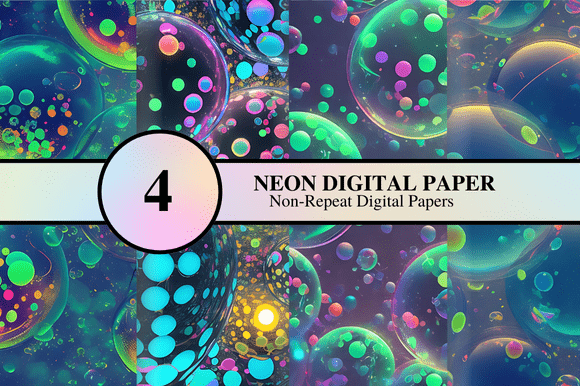
Neon Digital Paper: A New Canvas for Modern Creativity and Productivity
Imagine a surface that feels like paper, looks like a glowing neon sign, and connects to everything digital. That is the promise of Neon Digital Paper – a technology that blends the tactile comfort of traditional writing with the vibrant, illuminated display of modern screens. In a world where we constantly shift between physical notebooks and digital devices, this emerging medium offers a compelling middle ground. Whether you are a busy professional, a creative artist, a student buried in notes, or a business owner looking for efficient presentation tools, Neon Digital Paper might be the solution you did not know you needed. This article takes an experience-driven look at what it is, how it works, who benefits from it, and how to decide if it fits your lifestyle or workflow.
What Is Neon Digital Paper?
At its core, Neon Digital Paper is a display technology that mimics the matte, non-reflective texture of paper while using neon-bright pigments or illuminated pixels to show content. Unlike traditional e-paper (like the kind found in e-readers), which typically offers grayscale or muted colors, neon digital paper introduces vivid, glowing hues without the harsh backlight of an LCD or OLED screen. The result is a surface that is easy on the eyes, even after hours of use, and yet pops with color when needed.
The term “neon” does not refer to actual gas tubes but to a proprietary blend of electro-fluorescent particles or micro-LEDs embedded in a flexible, paper-like substrate. These particles activate only where needed, creating sharp, high-contrast text and graphics. The paper aspect is literal: the surface has a slight tooth, similar to fine writing paper, which provides satisfying drag when using a stylus. Some variants even support pressure sensitivity, making it ideal for drawing and handwriting.
Why Neon Digital Paper Matters in a Screen-Dominated World
Our daily lives are flooded with blue-light-emitting screens. From smartphones to monitors, our eyes strain constantly. Neon Digital Paper addresses this by offering a reflective display that uses ambient light rather than emitting light directly into your eyes. The result is significantly reduced eye fatigue, even during extended reading or writing sessions. This makes it especially valuable for people who spend hours on digital note-taking, reviewing documents, or brainstorming ideas.
Additionally, the neon glow ensures readability in various lighting conditions – from dim coffee shops to sunny outdoor patios. Unlike standard e-paper, which can appear washed out in bright light, neon digital paper maintains vibrant legibility. This combination of comfort and clarity is why many are calling it the next evolution of digital ink.
The Science Behind the Glow
Without getting too technical, the technology relies on electrophoretic particles suspended in a microcapsule layer. When an electric field is applied, these particles move to the surface, creating an image. The “neon” effect comes from adding fluorescent dyes or quantum dots that absorb ambient light and re-emit it at specific wavelengths. This gives the display its characteristic bright, saturated colors without needing a power-hungry backlight. The result is a screen that refreshes only when the content changes, consuming minimal power and offering weeks of battery life per charge.
Who Benefits Most from Neon Digital Paper?
Several distinct groups find Neon Digital Paper especially useful. Here are some of the primary beneficiaries, with practical examples of how they integrate it into their routines:
- Creative professionals – Graphic designers, illustrators, and calligraphers use neon digital paper for sketching and drafting. The pressure-sensitive surface and vibrant color palette allow for expressive work without the glare of a traditional tablet. Many report that the paper-like texture helps them produce more natural lines.
- Students and researchers – Note-taking becomes a breeze. You can handwrite lecture notes, annotate PDFs, and organize them digitally. The long battery life means you do not have to worry about charging during a full day of classes.
- Business owners and remote workers – Use it for whiteboarding sessions, client presentations, or signing documents. The glowing display ensures your sketches and diagrams are visible in meeting rooms, even with bright overhead lights.
- Writers and journalists – Draft articles, edit scripts, or journal without distractions. The lack of backlight reduces temptation to multitask, and the paper-like feel encourages longer, focused writing sessions.
- Reading enthusiasts – eBooks, magazines, and web articles look stunning on neon digital paper. The color reproduction makes graphic novels and photography books come alive, while the eye comfort makes extended reading enjoyable.
Real-World Applications: Where Neon Digital Paper Shines
To truly understand the value, consider these common scenarios where Neon Digital Paper outperforms both traditional paper and conventional tablets.
- Outdoor fieldwork – An architect reviewing blueprints on a construction site. The bright sun does not wash out the neon display, and the rugged build survives dust and light rain. No need to squint or shade the screen.
- Creative workshops – A teacher demonstrating calligraphy techniques. The students can see the instructor’s strokes in vivid neon colors projected on a large mirror or cast via a companion app. The instructor uses layers to separate guidelines from finished strokes.
- Medical settings – A doctor reviewing patient charts while standing. The device is lightweight, can be sterilized with wipes (sealed surface), and its high contrast ensures readability under fluorescent lights.
- Travel journaling – A blogger captures ideas on a train. The device boots instantly, has days of battery, and syncs notes to the cloud when connected to Wi-Fi. The neon colors reflect the mood of travel adventures.
- Collaborative brainstorming – A startup team uses a large-format neon digital paper whiteboard. Participants draw with styluses, and changes appear in real time across remote devices. The neon glow keeps the board visible even in dimly lit rooms.
Each of these examples highlights a core strength: visibility, comfort, and versatility. Neon digital paper adapts to the user’s environment rather than forcing the user to adapt to a screen.
Strengths and Considerations
Like any technology, Neon Digital Paper comes with trade-offs. Understanding these helps set realistic expectations.
Strengths
- Eye comfort – No blue light, no flicker. Ideal for long reading or writing sessions.
- Battery life – Most devices last weeks on a single charge because power is only used when changing the display.
- Paper-like feel – The surface provides tactile feedback that many find more natural than glass screens.
- Visibility – The neon-enhanced display remains readable in direct sunlight, unlike typical LCDs.
- Low distraction – No notifications, no apps blinking – just the content you are working on.
Considerations and Limitations
- Refresh rate – Current neon digital paper technology has slower refresh rates compared to LCD or OLED. This means video playback and fast animations are not smooth. It is best for static content like reading, writing, and drawing.
- Color gamut – While vivid, the range of colors may not match a high-end monitor. Professional photographers might still prefer a calibrated screen for editing.
- Cost – Because the technology is relatively new, devices can be more expensive than standard tablets or e-readers.
- Software ecosystem – The app selection is growing but still limited. Check that your preferred note-taking or drawing apps support the device before buying.
- Fragility – Some models use flexible substrates that are durable but can be prone to scratches if not protected. A case is recommended.
Evaluating these trade-offs against your primary use case will help determine if Neon Digital Paper is the right tool for you.
How to Choose the Right Neon Digital Paper Device
If you are considering a purchase, here is practical guidance on what to look for.
- Screen size and resolution – For note-taking and reading, a 10.3–13.3 inch display is common. Higher resolution (around 227–300 PPI) ensures crisp text and smooth curves. Artists may prefer larger canvases with higher pixel density.
- Stylus technology – Look for electromagnetic resonance (EMR) or active capacitive styluses that support tilt and 4096+ levels of pressure. The writing feel depends heavily on the stylus tip material (e.g., felt-like vs. plastic).
- Connectivity – Most devices offer Wi-Fi and Bluetooth for syncing, file transfer, and external keyboard support. Some include USB-C for charging and data. Check if it integrates with cloud services like Google Drive, OneDrive, or Dropbox.
- Software and file formats – Ensure the device exports to common formats: PDF, PNG, SVG, and Office documents. Some support direct handwriting-to-text conversion, which can be a huge time-saver.
- Battery and weight – A lighter device (under 400 grams) is easier to hold for long periods. Battery life should be at least two weeks under normal use.
- Durability – If you plan to take it outdoors or on job sites, look for IP ratings (e.g., IPX7 for water resistance) and a rugged case.
It is also wise to read user reviews that focus on long-term use. Some devices may develop “ghosting” (faint remnants of previous images) after months of heavy use. Choose brands that offer firmware updates to mitigate such issues.
The Future of Neon Digital Paper
As the technology matures, we can expect faster refresh rates, wider color gamuts, and even thinner, more flexible substrates. Some manufacturers are experimenting with full-color animation capabilities that may eventually support simple video. Additionally, integration with AI handwriting recognition and cloud collaboration platforms will make Neon Digital Paper an even more powerful tool for teams and individuals alike.
Another promising direction is the combination of neon digital paper with foldable or rollable displays. Imagine a device that unfolds from a phone-sized slab to a full notebook. This would further bridge the gap between portability and screen real estate.
Final Thoughts: Is Neon Digital Paper for You?
To sum up, Neon Digital Paper is not meant to replace your laptop or your smartphone. Instead, it fills a niche: the need for a paper-like, eye-friendly, colorful digital workspace. If you frequently read, write, draw, or present, and you value comfort and focus, it is worth exploring. Start by identifying your most common tasks – are they static or dynamic? Do you prioritize battery life over video capabilities? Answering these questions will guide your choice.
We are still in the early days of this technology, but the direction is clear. As the line between physical and digital continues to blur, Neon Digital Paper offers a glimpse of a future where screens not only look like paper but feel like it too – all while glowing with the energy of neon. Whether you are sketching a concept, signing a contract, or reading under a tree, this medium might just become your favorite canvas.
Explore the options, test a device at a local store if possible, and see for yourself how neon digital paper can transform your daily workflow. The light is on – and it is brighter, softer, and more natural than ever.