Spring Flower Illustration Wildflowers: Bringing Nature’s Palette to Your Creative Projects
When the first warm breezes of spring arrive, many of us feel an instinctive pull toward the outdoors. Meadows come alive with a riot of color—buttercups, bluebells, poppies, and daisies. Capturing that spontaneous beauty is where Spring Flower Illustration Wildflowers truly shines. Whether you are a graphic designer, a wedding planner, a home decor enthusiast, or a small business owner, these illustrations offer a versatile way to infuse your work with the freshness of the season. In this article, we will explore what makes these wildflower artworks special, how they can be used, and what to look for when choosing the right style for your needs.
What Exactly Are Spring Flower Illustration Wildflowers?
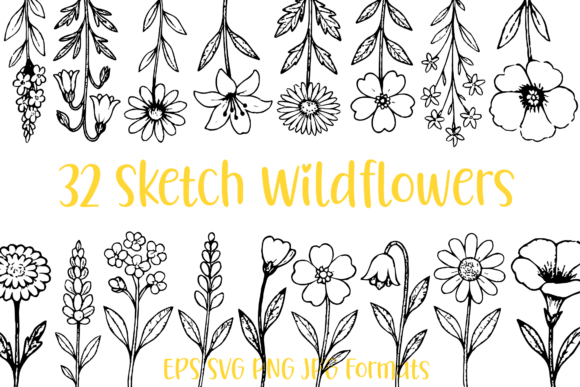
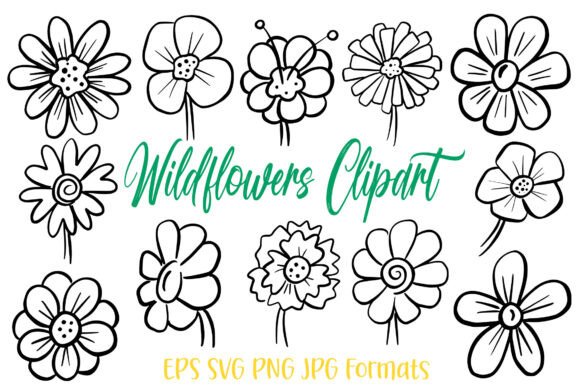
Spring Flower Illustration Wildflowers refer to artistic renderings of non-cultivated flowers that bloom in early spring. Unlike highly stylized botanical drawings, these illustrations often emphasize a natural, slightly imperfect charm. They may be hand-drawn, digitally painted, or created with watercolor techniques. The common thread is an organic feel—stems bend naturally, petals overlap, and compositions feel like a snippet of a meadow rather than a formal garden.
The purpose of such illustrations goes beyond decoration. They evoke emotions of renewal, simplicity, and connection to nature. For professionals and creators, they serve as design assets that can be used in branding, packaging, editorial layouts, and more. The value lies in their ability to soften a visual identity or add a layer of warmth that geometric shapes and strict typography cannot achieve.
Key Characteristics That Define Spring Flower Illustration Wildflowers
Not all floral illustrations are created equal. When you are looking at Spring Flower Illustration Wildflowers, several features set them apart:
- Variety in Species: Unlike cultivated flowers (like roses or tulips), wildflower illustrations often include multiple species in one composition—for example, cow parsley with forget-me-nots and clover.
- Loose Composition: The arrangement feels free and unstructured, mimicking how wildflowers grow in nature.
- Soft Color Palettes: Pastels, muted greens, and earthy tones dominate, though some styles use vibrant accents to draw the eye.
- Detailed Textures: Many illustrations include fine lines for leaf veins, delicate petal shading, or even tiny seeds and pollen.
- Seasonal Authenticity: Only flowers that actually bloom in early spring are depicted, such as snowdrops, crocuses, primroses, and wild violets.
These characteristics make the illustrations instantly recognizable as “spring wildflowers” rather than generic floral clip art.
Who Benefits From Using Spring Flower Illustration Wildflowers?
The audience for these illustrations is surprisingly broad. Here are the main groups that find them particularly useful:
- Graphic Designers & Branding Specialists: They use wildflower illustrations in logos, business cards, and website headers to convey organic, eco-friendly, or artisanal values.
- Event Planners (Especially Weddings): Spring weddings often incorporate wildflower motifs in invitations, signage, table numbers, and thank-you cards.
- Home Decor Brands: Wall art, throw pillows, bedding, and wallpaper featuring wildflower illustrations appeal to consumers seeking a cottagecore or Scandinavian nature aesthetic.
- Publishers & Content Creators: Cookbooks, magazines, and blog posts about gardening, foraging, or seasonal cooking use these illustrations to complement editorial content.
- Small Business Owners: Soap makers, candle creators, and herbal tea companies use wildflower illustrations on labels and packaging to suggest natural ingredients.
- Teachers & Educators: Botany lessons, nature study worksheets, and classroom posters benefit from accurate yet beautiful depictions of local flora.
Each group values the illustrations for slightly different reasons, but the common thread is the need for authentic, visually engaging representations of spring.
Where Can You Use Spring Flower Illustration Wildflowers?
The versatility of Spring Flower Illustration Wildflowers is one of its greatest strengths. Below are real-world scenarios showing how they can be applied across different mediums and industries.
Digital and Print Media
A blogger writing a guide to spring foraging might use a header image featuring wild garlic flowers and dandelions. The same illustration could be adapted into social media graphics, Pinterest pins, and even a printable poster sold on Etsy. The key is that the illustration style remains cohesive across platforms.
Product Packaging
Imagine a small-batch honey brand that harvests from wildflower meadows. A label adorned with Spring Flower Illustration Wildflowers immediately tells the customer the product is pure, natural, and seasonal. The same approach works for seed packets, handmade soap, and organic teas.
Home Decor and Textiles
Interior designers often recommend art that reflects the season. A framed print of bluebells and cow parsley can change the feel of a living room from sterile to welcoming. For textile production, wildflower illustrations can be printed on cotton or linen for curtains, cushions, and duvet covers.
Event Stationery
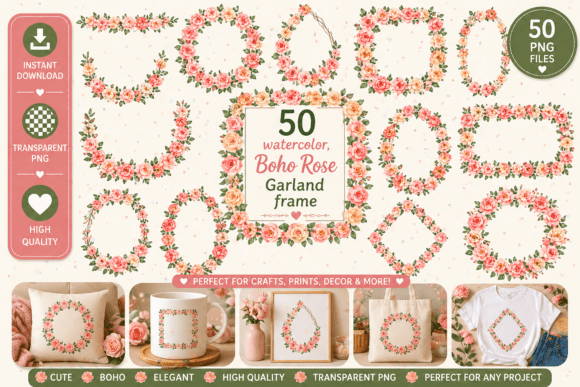
For spring weddings, invitations might feature a delicate wreath of wildflowers. Matching programs, menus, and place cards carry the theme through. Even the wedding website can use the same illustration style for a cohesive online presence.
Educational Materials
Schools and nature centers use wildflower illustrations in identification guides and activity sheets. Their accuracy helps children learn to recognize local plants, while the artistic quality keeps them engaged.
Strengths and Limitations: A Balanced View
Understanding both the advantages and potential downsides of Spring Flower Illustration Wildflowers helps you make an informed choice for your project.
Strengths
- Emotional Connection: People naturally respond to images of wildflowers. They evoke nostalgia, calmness, and joy.
- Timelessness: Unlike trendy abstract patterns, wildflower illustrations have enduring appeal across seasons and styles.
- Adaptability: They work in both minimalist and detailed layouts, from a single stem to a lush bouquet.
- Scalability: High-resolution illustrations can be used on tiny labels or large banners without losing clarity.
- Storytelling Potential: Each wildflower has symbolism (e.g., bluebells for humility, poppies for remembrance), adding depth to design.
Considerations and Limitations
- Seasonal Niche: If your project runs through autumn or winter, spring wildflowers may feel out of place unless used sparingly.
- Coloring Constraints: The soft pastels typical of wildflower illustrations may not suit brands that need high-contrast, bold visuals.
- License Restrictions: When purchasing or downloading illustrations, check whether they are for personal or commercial use. Some free resources have strict limits.
- Overfamiliarity: Certain wildflowers (daisies, lavender) appear so often in stock art that they may lose impact. Custom or niche species can stand out more.
- Technical Accuracy: If you need botanically precise illustrations for a scientific publication, artistic liberties taken by illustrators might not suffice.
Being aware of these factors helps you select illustrations that truly serve your purpose without unintended drawbacks.
How to Evaluate Spring Flower Illustration Wildflowers for Your Project
With numerous sources offering wildflower illustrations, how do you choose the right one? Start by asking these questions:
- What is the primary use? (Digital, print, fabric, etc.) Resolution, color mode (RGB vs. CMYK), and file format matter. Vector illustrations (SVG, EPS) are best for scaling, while high-resolution PNGs work for layered digital designs.
- What mood do I want to convey? Soft watercolors for a romantic feel, line art for a modern clean look, or detailed realism for educational content.
- Do I need consistency across multiple assets? If you plan to use several illustrations, ensure they come from the same artist or collection so the style remains uniform.
- Is exclusivity important? For a brand identity, custom-commissioned illustrations offer uniqueness. For a one-time event, curated stock sets may be sufficient.
- Can I modify the artwork? Some licenses allow recoloring, cropping, or overlaying, while others prohibit changes. Always read the terms.
Take the time to browse portfolios on platforms like Creative Market, Etsy, or Behance. Compare how different artists handle the same flower—say, a wood anemone. The variation in line weight, color saturation, and background treatment will guide your choice.
Practical Tips for Using Spring Flower Illustration Wildflowers Effectively
Once you have your selected illustrations, maximize their impact with these strategies:
- Combine with Texture: Place the wildflowers over a subtle paper or linen texture for a tactile feel in digital formats.
- Use White Space: Let the illustrations breathe. Avoid cluttering them with heavy text or competing graphics.
- Layer for Depth: Overlay a faint wildflower pattern on a background, then place a bolder version of the same flower as a focal point.
- Match the Mood Through Typography: Pair wildflower illustrations with handwritten or serif fonts to complement the organic vibe.
- Consider Seasonal Integration: If your brand uses different visuals for each season, let spring wildflowers lead the transition. A simple change of floral art can refresh an entire website or product line.
These techniques are used by professional designers to create compositions that feel intentional rather than haphazard.
Real-World Success Story: A Café Rebrands with Spring Flower Illustration Wildflowers
To illustrate the tangible impact, consider a small café in the Pacific Northwest. Originally, its branding used generic coffee cup icons and brown tones. To attract a younger, nature-conscious clientele, the owner decided to incorporate Spring Flower Illustration Wildflowers into the menu boards, takeaway cups, and social media. They chose a series of hand-painted watercolor wildflowers native to the region—trillium, Oregon grape, and red columbine.
Within two months, the café saw increased Instagram engagement (users photographed the cups) and a noticeable shift in customer comments about the “fresh, earthy feel” of the space. Even the staff reported a more positive vibe during the morning rush. The investment in bespoke wildflower illustrations paid for itself through higher brand recognition and customer loyalty.
This example shows that the right illustrations do more than decorate—they communicate values and create memorable experiences.
Conclusion: A Springtime Asset That Lasts All Year
Spring Flower Illustration Wildflowers are more than a seasonal trend. They are a creative tool that can enhance storytelling, evoke emotion, and establish a genuine connection with an audience. From business owners to educators, anyone who needs to convey freshness, authenticity, or natural beauty can benefit. By understanding the characteristics, evaluating your specific needs, and applying best practices, you can integrate these illustrations in ways that elevate your projects and resonate with your audience. So as spring approaches, consider inviting a few wildflowers into your work—they just might bloom into something extraordinary.