The Enduring Appeal of Wonderful Flowers Watercolor Patterns in Modern Design
The Unique Aesthetic of Watercolor Floral Patterns
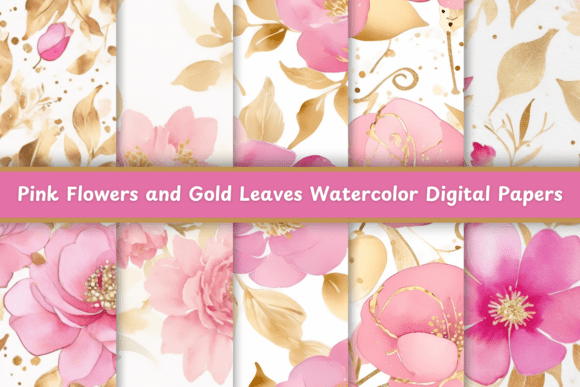
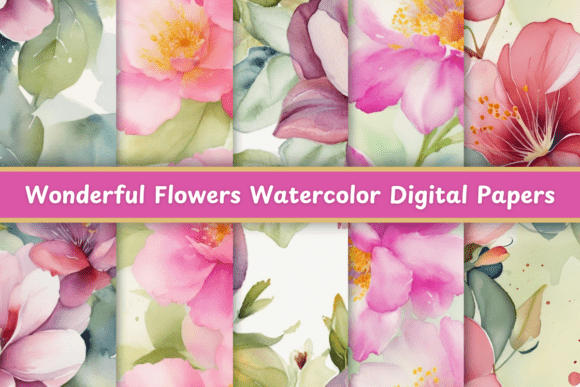
There is an undeniable softness that watercolor brings to botanical imagery. Unlike the rigid lines of digital vectors or the heavy saturation of acrylics, Wonderful Flowers Watercolor Patterns capture a sense of organic flow. The pigment bleeds into paper or digital texture, creating edges that appear to breathe. This quality makes each bloom feel alive, as though it were painted only moments ago. The translucency of watercolor allows colors to layer without becoming muddy—each petal retains a luminous, almost ethereal quality. For creatives seeking a balance between realism and impressionism, these patterns offer a middle ground: recognizable flowers rendered with a painterly touch that invites closer inspection.
This aesthetic appeal extends beyond mere decoration. Studies in color psychology suggest that the soft gradients and pastel undertones common in these designs can evoke calmness and creativity. When a pattern uses watercolor washes in soft pinks, lavenders, or muted greens, it naturally lowers visual tension. That is why Wonderful Flowers Watercolor Patterns often appear in spaces meant for relaxation or inspiration—from spa interiors to creative studios. The visual texture itself becomes a tool for mood setting, something that hard-edged patterns rarely achieve.
From Canvas to Digital: The Versatility of Wonderful Flowers Watercolor Patterns
One of the most remarkable aspects of this art form is its seamless transition between physical and digital media. Initially, watercolor floral motifs were exclusive to hands-on artists. Now, thanks to high-resolution scanning and sophisticated brush simulation, Wonderful Flowers Watercolor Patterns are available as digital assets. These files can be tiled infinitely, scaled without loss of quality, and applied across an incredible range of surfaces. The same pattern that graces a wedding invitation on paper can be printed on fabric, wrapped around a phone case, or projected as a wall mural.
Digital distribution has also democratized access. A small business owner in a rural area can purchase a watercolor floral pattern set online and use it to design packaging that rivals big-city boutiques. The patterns come in multiple colorways and resolutions, allowing for immediate customization. For the educator or researcher, these patterns serve as visual aids in botany discussions or art history lessons. The ability to showcase the same flower (a rose, a peony, a cherry blossom) in different watercolor styles helps students understand artistic interpretation without needing original paintings.
Moreover, the digital format preserves the handmade feel. Many providers of Wonderful Flowers Watercolor Patterns include brush stroke textures and subtle paper grain in their files. This authenticity distinguishes them from purely synthetic designs. When a consumer sees a pattern that looks painted, they perceive higher value and craftsmanship—even if the item was mass-produced.
Practical Applications Across Industries
The real-world relevance of watercolor floral patterns spans multiple sectors. Below are some of the most impactful uses observed among professionals and hobbyists alike:
- Graphic Design and Branding: Logos featuring watercolor blossoms add a romantic or eco-friendly dimension. Wedding planners, organic skincare lines, and tea companies frequently adopt these motifs to communicate natural luxury.
- Fashion and Textiles: Lightweight scarves, summer dresses, and children’s clothing benefit from the airy feel of watercolor florals. The patterns do not overwhelm the fabric; instead, they enhance it with a water-washed elegance that resists looking dated.
- Home Décor: Throw pillows, duvet covers, and wallpaper with Wonderful Flowers Watercolor Patterns create focal points in interior design. Because the colors are typically unsaturated, they complement neutral palettes without competing for attention.
- Stationery and Paper Goods: Notebooks, planners, and greeting cards remain popular mediums. The tactile experience of watercolor-printed paper is especially pleasing, as the ink mimics the original paint’s flow.
- Digital Content Creation: Bloggers, YouTubers, and social media managers use these patterns as backgrounds, overlays, or branding elements. The gentle look increases engagement, especially for lifestyle and wellness content.
- Educational Materials: Botany worksheets, nature study flash cards, and art class project sheets often incorporate watercolor florals to make learning visually inviting. The patterns help bridge the gap between scientific accuracy and artistic beauty.
Each of these applications leverages the pattern’s inherent versatility. A single Wonderful Flowers Watercolor Pattern pack can serve a wedding planner creating save-the-dates, a fashion designer sketching a spring collection, and a teacher preparing a unit on plant life cycles. This cross-industry utility is what makes the category so enduring.
Choosing the Right Pattern for Your Project
Not all watercolor floral designs are equal. The best selection depends on context, audience, and technical constraints. Here are key considerations when evaluating options:
- Color Palette: Does the pattern use warm tones (coral, peach, gold) or cool tones (blue-violet, sage, icy pink)? Warm palettes energize; cool palettes soothe. For professional branding, consistent color themes across patterns are critical.
- Scale and Repeat: Large blooms make a bold statement but can be overwhelming on small items like business cards. Tiny watercolor florals work better for backgrounds. Check if the pattern is designed to tile seamlessly without obvious seams.
- Level of Detail: Some Wonderful Flowers Watercolor Patterns are highly defined with visible veins and shadow layers. Others are loose and impressionistic. Detailed patterns suit high-resolution printing; loose patterns pair well with textured paper or fabric.
- File Format: For digital use, PNG with transparency is ideal. For print, high-resolution JPEG or vector-based watercolor (rare but available) ensures sharp results. Always verify DPI requirements for professional output.
- Licensing: If the pattern is for commercial products, check whether the license covers unlimited uses, merchandise, or resale of digital files. Many artists of Wonderful Flowers Watercolor Patterns offer extended licenses for manufacturing.
Selecting the right pattern is not just about aesthetics—it is about matching the artwork’s personality with the project’s message. A watercolor rose pattern that evokes romance will clash with a tech startup’s minimalist branding. Conversely, a modern abstract watercolor floral can feel fresh and innovative when used correctly. Testing the pattern on mockups before finalizing saves time and ensures cohesion.
Considerations for Working with Watercolor Floral Designs
Despite their beauty, watercolor patterns come with unique considerations that users should understand. First, reproduction fidelity matters. The soft edges and gradient transitions that make watercolor appealing can become muddy if printed on low-quality paper or with inadequate ink. Always request a printed proof when producing physical goods. The same pattern may look crisp on screen but lose nuance when printed on uncoated stock.
Second, color variation is inevitable. Watercolor pigments are inherently less uniform than solid Pantone colors. Two prints from the same digital file may differ slightly due to printer calibration or substrate absorption. For large runs, it is wise to order extra material from the same batch to maintain consistency. Manufacturers of Wonderful Flowers Watercolor Patterns often provide color reference charts, but real-world testing remains essential.
Third, the pattern’s cultural connotations should not be overlooked. Certain flowers carry specific meanings—roses for love, chrysanthemums for mourning in some cultures, cherry blossoms for transience. When using Wonderful Flowers Watercolor Patterns in international contexts, research the symbolism of the featured blooms to avoid unintended messages. The pattern’s overall mood (cheerful, solemn, exotic) also communicates nonverbally.
Finally, durability matters. Watercolor patterns printed on apparel may fade faster than solid designs if not set properly. For items requiring washing or heavy handling, use heat-set inks or opt for sublimation printing. The delicate look of watercolor does not mean the product must be delicate; with correct materials, these patterns can last for years.
The Future of Botanical Watercolor Art
As technology advances, the line between traditional and digital watercolor continues to blur. AI-assisted tools now allow designers to generate custom Wonderful Flowers Watercolor Patterns from text prompts. Yet the demand for hand-painted originals remains strong. Consumers increasingly value the human touch—the slight imperfections, the unintended splatters, the unique brushstroke personality that algorithms struggle to reproduce authentically. This tension between efficiency and artistry creates opportunities for both.
We are also seeing a rise in sustainable design practices. Watercolor floral patterns, especially those created with eco-friendly pigments and recycled paper, appeal to environmentally conscious buyers. The style itself suggests natural materials and biodegradable processes, making it a natural fit for green branding. Artists who produce Wonderful Flowers Watercolor Patterns with sustainable methods will likely find a growing niche market.
Augmented reality (AR) is another frontier. Imagine pointing your phone at a blank wall and seeing a watercolor garden grow in real time—the pattern adapting to room lighting. Some interior design apps already feature such capabilities. As AR becomes mainstream, watercolor patterns could become interactive, allowing users to rearrange virtual blooms or change color palettes with a swipe. This would transform static designs into dynamic experiences.
For educators, the future holds interactive textbooks where watercolor floral illustrations animate to show plant growth or flower structure. The patterns become both decorative and instructive. Researchers studying the psychology of pattern recognition may use these designs to explore how organic forms affect cognition and emotion. The humble watercolor flower pattern, once only appreciated for its beauty, now contributes to fields as diverse as neuroscience and marketing.
In conclusion, Wonderful Flowers Watercolor Patterns have evolved far beyond their origins as painterly exercises. They are now functional tools in design, communication, and even learning. Their ability to bridge analog warmth and digital convenience makes them indispensable for a wide audience—from the hobbyist scrapbooker to the professional brand strategist. By understanding their aesthetic qualities, versatile applications, and practical considerations, anyone can harness the subtle power of watercolor florals. The patterns do not just decorate; they communicate care, nature, and timeless elegance in a world that increasingly craves authenticity.