60 Falling Leaf Illustration Collection Guide
Visual content often determines whether a message lands or gets ignored. For creators, marketers, and educators who regularly produce seasonal or nature-themed materials, finding a cohesive set of illustrations that saves time and elevates quality can be challenging. The 60 Falling Leaf Illustration Collection offers a curated library of autumn-inspired artwork designed to support a wide range of projects without requiring custom design work. This article explores how this collection may streamline your workflow, strengthen your visual storytelling, and help you achieve professional results with less effort.
What the 60 Falling Leaf Illustration Collection Offers
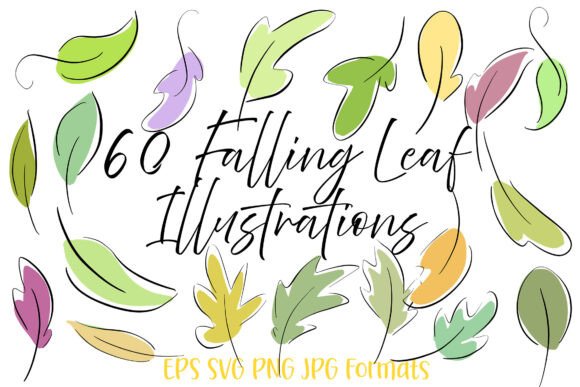
At its core, the collection delivers sixty distinct leaf illustrations, each capturing the movement, color, and texture of falling foliage. Unlike a scattered set of generic icons, this collection presents a unified visual language rooted in autumn aesthetics. Leaves appear in various stages of descent, from freshly fallen to mid-air drifts, offering natural variety for layouts, backgrounds, or focal imagery. The range covers multiple leaf species, color gradients, and stylistic treatments, giving you flexibility without sacrificing consistency.
For anyone producing seasonal content, this breadth reduces the need to hunt for complementary assets. You can pull from a single source and maintain visual harmony across a presentation, a blog post, a social media campaign, or a printed handout. The collection essentially acts as a ready-made palette and form library, allowing you to focus on composition and messaging rather than asset creation.
Saving Time on Asset Sourcing
Searching for usable illustrations often eats into creative time. You browse stock sites, check licensing terms, and hope the style matches your existing work. With a dedicated set of sixty falling leaf illustrations, much of that friction disappears. You open the collection, preview the options, and select what fits. This efficiency matters especially when deadlines are tight or when you produce content regularly, such as weekly blog posts, email newsletters, or social media updates. Instead of spending thirty minutes searching for one leaf vector, you spend two minutes choosing from related options.
Supporting Consistent Brand and Visual Tone
Brands and personal projects benefit from visual consistency. A collection built around a single theme—falling leaves—ensures that every illustration shares a coherent look. Whether you use five leaves in a single design or spread them across a campaign, the viewer senses a unified style. This consistency reinforces your message and makes your content feel more polished without requiring advanced design skills. Small business owners, for example, can use the collection to maintain an autumn theme across their website banner, social media posts, and print flyers, all from one asset set.
Enhancing Communication Through Visuals
Illustrations do more than decorate. They communicate mood, season, and atmosphere. Falling leaves evoke change, transition, warmth, and nature’s cycles. For educators explaining seasonal changes or marketers promoting fall-themed products, these illustrations provide an immediate emotional and contextual anchor. A single leaf graphic can transform a plain headline into a scene that readers connect with on a sensory level. The collection gives you sixty ways to tap into that connection, from delicate single leaves to clustered drifts, each carrying a slightly different feeling.
Improving Presentation and Print Materials
Presentations, whether for clients, students, or internal teams, often rely on visuals to hold attention. Repeating the same stock photo or icon across slides can feel stale. With a varied leaf collection, you can introduce fresh imagery on each slide while staying on theme. The same applies to printed materials like brochures, menus, or event programs. Fall-themed cafe menus, autumn workshop flyers, or seasonal newsletters all benefit from a cohesive illustration set that doesn’t require a designer’s intervention. The collection’s variations help you avoid visual repetition, keeping your audience engaged.
Who Benefits Most from This Collection
While the collection serves a broad audience, certain groups may find it especially valuable.
- Bloggers and content creators who publish seasonal roundups, fall recipes, or nature-inspired posts can quickly add relevant visuals without hiring an illustrator.
- Marketers and small business owners managing fall campaigns, product launches, or seasonal branding can maintain visual quality across channels with minimal effort.
- Educators and trainers creating autumn-themed worksheets, presentations, or classroom materials can rely on a consistent visual style that supports learning objectives.
- Freelance designers and hobbyists working on personal projects, greeting cards, or social media graphics gain a versatile resource that reduces project turnaround time.
- Publishers and newsletter editors producing seasonal issues can use the illustrations as headers, dividers, or accent elements that reinforce the edition’s tone.
For each of these groups, the collection’s primary value lies in reducing the gap between an idea and a finished visual. You don’t need to draw, scan, or license individual leaves. You adapt what already exists.
Realistic Considerations and Fit Factors
No single asset collection fits every situation perfectly. The 60 Falling Leaf Illustration Collection works best when your project aligns with its natural, illustrative style. If you need photorealism or hyper-detailed botanic accuracy, a different resource may serve you better. Likewise, if your brand uses a very specific color palette, check whether the collection’s color range complements or fights your existing scheme. Some collections offer editable color variations; if that matters for your workflow, confirm format options before committing.
File format also affects usability. Vector formats like SVG or EPS allow scaling without quality loss, while raster formats suit web use but may limit size flexibility. Understand what formats the collection provides and whether they match your design tools. Most modern design software handles both, but it’s worth verifying if you work primarily in a specific platform.
Licensing is another practical factor. Some collections offer royalty-free use for commercial projects, while others restrict certain applications. Review the terms so you know whether you can use the illustrations in products you sell, such as printed books or merchandise. When in doubt, reach out to the provider for clarification. Knowing these details upfront prevents issues later.
How to Make the Most of the Collection
To maximize the collection’s value, consider how you organize and apply the illustrations. Start by browsing the full set and noting which leaves match your project’s mood. Group similar styles or colors together so you can pull from related subsets quickly. If you use design software, create a dedicated folder or asset library for the collection. This small step saves time on future projects.
Experiment with scale and placement. A single large leaf can serve as a focal point on a cover or hero image. Smaller leaves work well as repeating background patterns, corner accents, or list markers. Layering multiple leaves with varying opacity creates depth without overwhelming the overall design. The collection’s sixty options give you room to test different combinations until the composition feels right.
Combine the illustrations with other design elements. Pair them with clean typography for a modern look, or integrate them with textured backgrounds for a more rustic feel. The leaves can anchor a seasonal logo, frame a call-to-action button, or fill empty space in a layout. The more you experiment, the more applications you will discover beyond the obvious.
Final Thoughts on the 60 Falling Leaf Illustration Collection
Building a library of reliable, thematically consistent visuals is a practical investment for anyone who produces content regularly. The 60 Falling Leaf Illustration Collection offers a focused solution for autumn-themed projects, saving you time, supporting visual consistency, and strengthening communication through evocative imagery. Whether you work in marketing, education, publishing, or creative freelancing, having sixty ready-to-use leaf illustrations at your fingertips simplifies the design process and helps you deliver polished results. As with any resource, evaluate how the collection’s style, format, and licensing align with your specific needs. When the fit is right, it becomes a tool you return to season after season.