The Enduring Appeal of Wildflowers in Floral Illustration
There is something quietly captivating about a wildflower. Unlike the cultivated symmetry of a garden rose or the precise geometry of a tulip, wildflowers carry an air of spontaneity. They grow where they please, bend with the wind, and bloom in unexpected clusters. It is this very quality that has made wildflowers a beloved subject in floral illustration for centuries. Today, that appreciation is not only continuing but evolving, finding new relevance in design, branding, personal creativity, and digital media. Understanding the intersection of wildflowers, flower illustration, and the broader floral aesthetic offers a window into why this natural art form resonates so deeply with modern audiences.
The Shift from Perfection to Authenticity in Floral Art
For much of the twentieth century, floral illustration—whether in botanical studies, commercial design, or home decor—leaned heavily toward the formal. Perfectly manicured blooms, symmetrical arrangements, and idealized depictions dominated. This approach served a purpose: it communicated order, luxury, and control. But tastes change. Over the past decade, there has been a noticeable cultural shift toward authenticity, imperfection, and the organic. People increasingly value what feels real over what looks manufactured, and this has opened the door for wildflowers to take center stage in floral illustration.
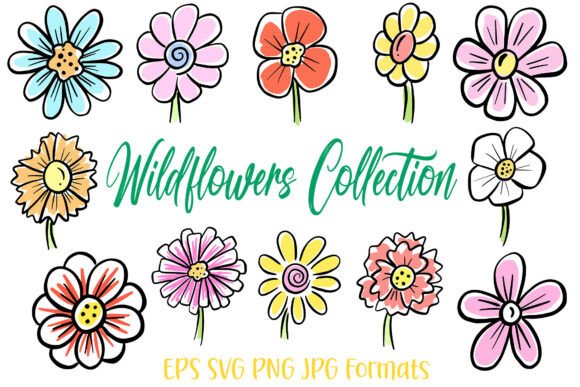
Wildflowers, with their irregular petals, varied stem lengths, and natural asymmetry, embody this shift. They do not require perfect spacing or deliberate placement. Instead, they invite the illustrator to capture movement, spontaneity, and the quiet beauty of untamed nature. Whether rendered in watercolor washes, detailed pen-and-ink linework, or digital vector art, wildflowers offer a visual language that feels accessible rather than exclusive. This aligns with a broader trend across the creative industries, where consumers and creators alike gravitate toward imagery that feels human, warm, and unpolished.
Why Wildflowers Are Resonating with Modern Creators and Professionals
The relevance of wildflower floral illustration today extends far beyond the artist's studio. Designers, marketers, bloggers, and entrepreneurs have recognized the emotional weight that wildflowers carry. They suggest growth, resilience, and a kind of gentle independence. For a small business owner looking to build a brand identity, a wildflower motif can communicate values like sustainability, authenticity, and community without saying a word. A freelance graphic designer might incorporate wildflower illustrations into website headers, packaging, or social media templates to evoke a natural, grounded aesthetic that appeals to clients looking for warmth over corporate rigidity.
Educators and content creators have also found practical applications. In educational materials, wildflower illustrations can soften dense information, making lessons on ecology, art history, or even creative writing feel more inviting. For lifestyle bloggers, such imagery pairs naturally with themes like slow living, seasonal rituals, or personal creativity. The key is that wildflowers do not demand a specific context. They adapt. A single sprig of lavender or a cluster of daisies can convey comfort, curiosity, or calm depending on how it is framed. That flexibility makes it a powerful tool for anyone who needs visual storytelling to do more than just decorate a page.
The Evolution of Wildflower Illustration in the Digital Era
The practice of illustrating wildflowers is not new. Botanical artists of the eighteenth and nineteenth centuries meticulously recorded native flora for scientific study. Those illustrations remain valuable today, both as historical records and as aesthetic reference points. However, the way people interact with wildflower floral illustration has changed dramatically. Digital tools have democratized the creation process. Someone with a tablet and stylus can now produce wildflower illustrations that rival traditional works in complexity and beauty. More importantly, they can share those works instantly with a global audience.
This ease of creation and distribution has led to a surge in wildflower-themed visual content across platforms like Instagram, Pinterest, Etsy, and design marketplaces. What was once a niche interest has become a visual language shared by millions. The wildflower has moved from the field to the canvas to the screen, and in that transition, it has gained new layers of meaning. It now represents not only nature but also a certain resistance to rigidity and a preference for organic growth—both literal and metaphorical.
For professionals in marketing and content creation, this evolution presents both opportunity and challenge. Wildflower floral illustration is so widely used that standing out requires genuine skill and thoughtful composition. Simply copying a popular trend will not yield lasting engagement. Instead, creators are finding success by developing unique illustration styles—mixing realism with abstraction, incorporating local or endangered wildflower species, or pairing illustrations with handwritten typography. The trend has matured beyond simple repetition into a space where originality and craft matter more than ever.
Practical Implications for Businesses and Freelancers
If you run a small business or offer creative services, integrating wildflower floral illustration into your work can be a strategic decision. The visual appeal is clear, but the benefits run deeper. A wildflower illustration style can help differentiate your brand in a crowded marketplace. While many businesses still use generic stock photography or overly polished graphics, a hand-drawn or custom digital wildflower motif signals attention to detail and a connection to natural themes. This is especially effective for brands in wellness, home decor, stationery, sustainable fashion, organic food, or wedding planning.
For a wedding florist or event planner, using wildflower illustration in branding materials and portfolios can attract clients who want something less formal and more personalized. For an entrepreneur selling botanical skincare products, wildflower illustrations on labels and packaging can reinforce the message of pure, natural ingredients. Even a freelance writer or coach might use a simple wildflower illustration as part of their personal brand—subtle, but effective in communicating warmth and approachability.
The practical implication is straightforward: wildflower floral illustration is not just decoration. It is a communication tool. When used intentionally, it can shape how an audience perceives a brand's values. The key is to avoid using it as a generic afterthought. Instead, consider the species that best represent your message, the color palette that aligns with your existing visuals, and the level of detail that matches your brand's personality.
Integrating Wildflower Illustration into Daily Creative Practice
For hobbyists and curious readers, working with wildflower floral illustration can be a rewarding way to reconnect with nature and creativity. It does not require formal training. Observing a real wildflower—its stem curvature, petal arrangement, how light hits the surface—provides all the reference material needed. Many beginning illustrators find wildflowers forgiving subjects because their natural irregularity means there is no single "right" way to draw them. This lowers the barrier to entry and encourages experimentation.
One practical recommendation is to start with a single species and focus on linework. From there, experiment with adding color through watercolor, colored pencils, or digital brushes. Observing how wildflowers change through the seasons can also provide endless inspiration. A dandelion in spring looks different from a dried thistle in autumn, and both offer unique illustrative possibilities. For educators and parents, this can also become a learning activity about botany and local ecosystems, making the creative process educational as well as artistic.
For those who prefer digital creation, platforms like Procreate and Adobe Fresco offer brushes specifically designed to mimic natural textures, making it easier than ever to achieve a wildflower aesthetic. Many illustrators also share process videos and tutorials online, providing accessible guidance for anyone who wants to improve. The community around wildflower illustration is notably supportive, with less competition and more shared appreciation than in some other artistic niches. That collaborative spirit aligns well with the subject matter itself: wildflowers thrive in community, not isolation.
Choosing the Right Approach for Your Audience or Personal Style
Not all wildflower floral illustration carries the same tone. Some styles lean toward scientific precision, documenting every vein and petal edge. Others embrace looseness and suggestion, using only a few brushstrokes to imply a flower's form. The approach you choose should align with your audience's expectations and your own creative strengths. For a botanical guide aimed at hikers and naturalists, accuracy and detail are critical. For a greeting card line targeting young adults, a whimsical, simplified style may be more effective.
It is also worth considering color psychology. Soft, muted tones like sage green, dusty lavender, and pale yellow evoke calm and nostalgia. Bolder colors like bright orange, deep magenta, and electric blue communicate energy and modernity. The same wildflower silhouette can feel entirely different depending on the palette. Marketers and brand owners should test their illustrations with target audiences to see how the emotional tone lands. Adjusting the color saturation or line weight can be enough to shift perception from "rustic" to "polished" or from "playful" to "serene."
Looking Ahead: The Staying Power of Wildflower Floral Illustration
Trends in visual art come and go, but wildflower floral illustration appears to have staying power. Its connection to larger cultural values—authenticity, sustainability, mindfulness—gives it relevance beyond mere aesthetics. As more people seek to reduce digital clutter and bring natural elements into their visual environments, wildflowers offer a gentle antidote to the hyper-polished, the synthetic, and the overly commercial. They remind us that beauty does not require perfection, and that growth often happens in the spaces we least expect.
For creators and professionals who invest in developing this skill or incorporating it into their work, the long-term payoff is not just about following a trend. It is about building a visual vocabulary that communicates care, thoughtfulness, and connection to something real. Whether you are illustrating a single flower in a sketchbook, designing a brand identity around local meadow species, or using wildflower motifs to warm up a digital course, you are participating in a tradition that values the natural world and the human hand. That is something worth cultivating.